How to Get a Bachelors Degree Abroad
Navigating the process of obtaining a undergraduate degree in a foreign country requires careful consideration of multiple factors. Applicants need to consider countries and universities based on academic standards, financial aid opportunities, and cultural fit. Being aware of visa prerequisites is vital for a smooth changeover. Still, the adventure encompasses much more than planning. Acclimating to new settings and preserving ties to one's homeland are fundamental in defining the overall journey. What hurdles and prospects are in store for those pursuing this route?
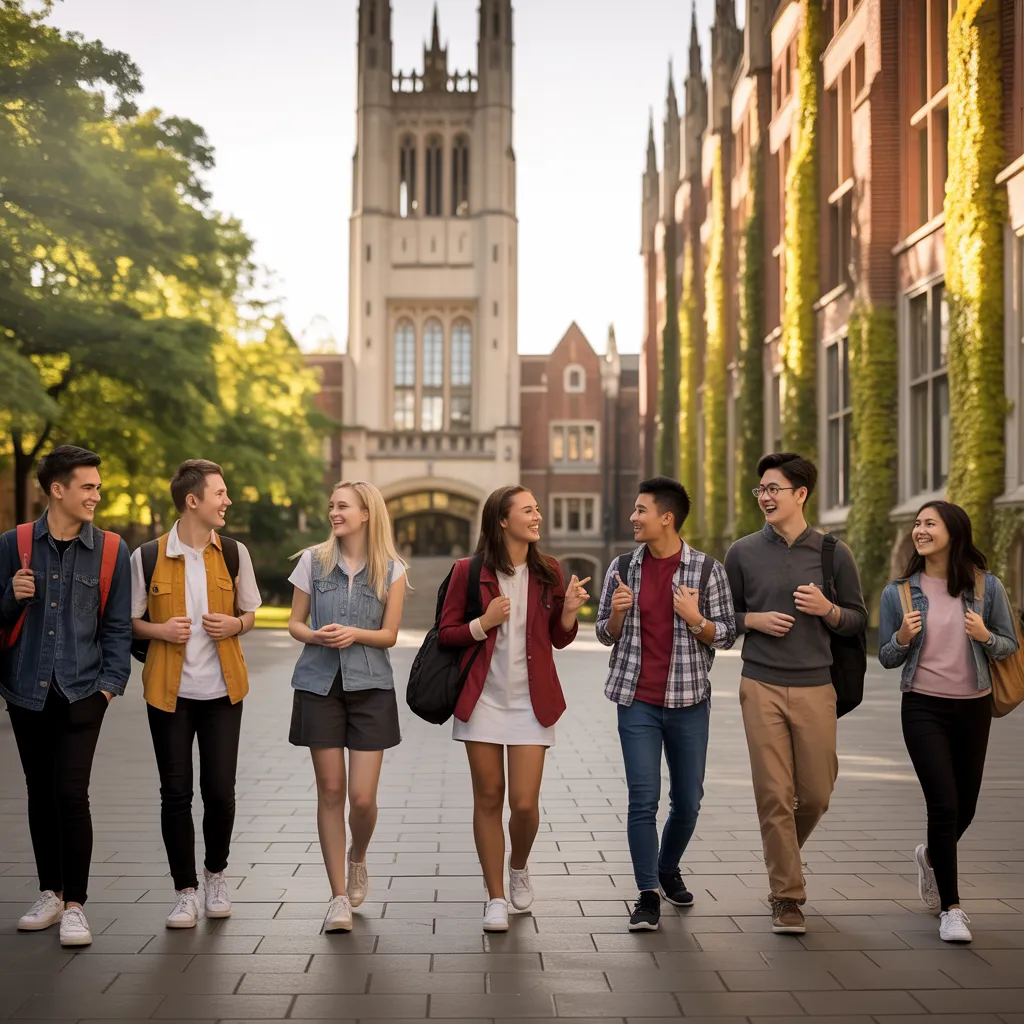
What Factors Should You Consider When Choosing a Country?
When deciding on a country for a undergraduate degree abroad, what essential considerations should guide the decision? To begin, the quality of education is paramount; prospective students should research institutional rankings, professor credentials, and the curriculum's relevance to their field of study. Second, language plays an important role; students must evaluate whether they are comfortable studying in the local language or if English-taught programs exist.
Cultural alignment is another crucial element; gaining insight into the culture, customs, and lifestyle can profoundly impact the overall experience. Moreover, safety and political stability represent vital aspects to evaluate; students should explore the country's reputation for safety and the current political climate. In addition, distance from home and travel possibilities can impact individual preferences and overall contentment. By carefully considering these elements, students can arrive at well-informed choices that correspond with their academic and personal goals.
How to Obtain Funding and Scholarships for Studying Abroad
Obtaining financial aid and scholarships is crucial for students considering a bachelor's degree abroad. Various types of scholarships exist, addressing diverse requirements and eligibility criteria, and knowing these opportunities can significantly improve financial access. Moreover, implementing effective application strategies can improve the chances of success in the challenging scholarship arena.
Kinds Of Scholarships Available
While pursuing a bachelor's degree abroad represents an enriching opportunity, understanding the types of scholarships available is crucial for handling expenses. A wide range of scholarships address diverse needs and situations. Merit-based scholarships reward academic excellence, while need-driven scholarships aid students experiencing financial hardship. Some institutions offer specific scholarships for international students to encourage diversity. Additionally, state-sponsored scholarships like Fulbright or Chevening offer substantial assistance for overseas education. Private organizations and foundations also contribute funding through scholarships aimed at specific fields or regions. Finally, certain nations provide scholarships to draw international talent, increasing the accessibility of higher education. Investigating these opportunities can significantly reduce the financial strain of international education.
Tips To Help You Succeed With Your Application
Navigating the scholarship application process can considerably boost a student's prospects for receiving funding for international study. To enhance their chances, students should start by exploring various scholarships that correspond to their academic goals and personal backgrounds. Crafting a compelling personal statement is vital; it should effectively communicate motivations and aspirations. In addition, obtaining strong letters of recommendation from instructors or academic supervisors can offer meaningful backing. Students must also pay close attention to application due dates and specifications, guaranteeing all components are filed punctually. Moreover, highlighting pertinent accomplishments, such as volunteering or internships, can distinguish a candidate. Finally, maintaining an organized approach allows for careful tracking of applications and follow-ups, thereby improving the likelihood of securing funding.
Comprehending Visa Requirements for Your Desired Country
Understanding visa requirements is crucial for students planning to study abroad. Various countries offer different categories of student visas, each with specific criteria and application processes. Working through these requirements can significantly affect a student's capacity to engage in international academic pursuits.
Types Of Student Visas
Steering through the realm of student visas is vital for prospective students pursuing a college education abroad. Countries around the world have various types of student visas, with each carrying its own conditions and allowances. For illustration, the F-1 visa in the United States permits students to engage in full-time studies, while the Tier 4 visa in the United Kingdom fulfills a comparable role. A number of countries, like Canada and Australia, provide specific visas that permit students to work part-time during their studies. Furthermore, certain nations may have specific requirements based on how long the course runs or the accreditation status of the institution. Understanding these differences is critical for prospective students to secure proper compliance and identify the most suitable visa for their academic pursuits.
Application Process Overview
Working through the application process for a student visa involves careful attention to the specific requirements of the chosen country. All nations have distinct regulations, documentation, and timelines that must be complied with. In most cases, applicants are required to gather essential documents such as proof of enrollment, financial statements, and health insurance. Additionally, some countries may require a language proficiency test or a medical examination.
It is important for prospective students to start the application process early, as visa processing times can vary greatly. Familiarizing oneself with the embassy or consulate's guidelines is also critical, as they supply comprehensive guidance and current information on necessary requirements. Ultimately, thorough preparation guarantees a smoother passage to studying abroad.
How to Select a University That Matches Your Objectives?
What is the best way to select a university that matches one's academic and professional goals? First, individuals should identify their specific goals, including desired majors and career paths. Researching universities with strong programs in those areas is vital. They can utilize online resources, academic rankings, and alumni networks to assess the quality of education offered.
Additionally, factors such as available extracurricular activities, location, and campus culture deserve careful consideration. A supportive setting can significantly improve the entire academic journey. Additionally, aspiring students should examine the university's connections to sectors pertaining to their areas of study, as professional networking and internship prospects can significantly impact future career success.
Finally, factoring in financial implications, including academic fees and accommodation costs, is vital. By considering these elements, prospective students can reach well-informed choices that correspond with their ambitions, promising a satisfying and enriching academic pursuit internationally.
Embracing Cultural Diversity in Your New Environment
While adjusting to a new culture can be demanding, welcoming the contrasts can lead to meaningful discoveries. Those pursuing education internationally often encounter unfamiliar practices, dialects, and social norms that may feel challenging at the outset. To adapt to these cultural differences, it is essential to engage with new encounters with an unbiased perspective and a desire to grow. Engaging with local communities, taking part in cultural activities, and cultivating relationships with local people can promote greater awareness and respect of the surrounding culture.
Moreover, achieving a careful balance between preserving one's own cultural identity and embracing the new environment is essential. A spirit of curiosity and honest communication can help bridge gaps and ease feelings of loneliness. As individuals embrace the uncharted, they often acquire resilience and adaptability, attributes that are immensely valuable both in personal and professional spheres. When all is considered, these encounters can expand one's worldview and enhance academic growth, making the journey of studying abroad remarkably life-changing.
What Should You Expect While Studying Abroad?
Pursuing studies overseas offers a distinctive mix of anticipation and challenges, as learners commonly end up in foreign academic and social settings. Students might experience varying instructional approaches, which might span collaborative group work to self-directed studies. Learners ought to anticipate diverse standards related to engagement and submission timelines.
From a social standpoint, the experience can be just as life-changing. New friendships may form, but adjusting to diverse cultural norms and communication styles can present challenges. At first, students may experience feelings of homesickness or isolation, but those challenges commonly lessen as they grow more connected to their new environment.
Moreover, navigating day-to-day living, for instance getting accustomed to public transportation and local customs, can be challenging yet rewarding. Students will likely develop resilience and problem-solving skills as they adjust to these new circumstances. When all is said and done, the journey fosters self-development and a wider perspective, rendering the difficulties worthwhile.
Ways to Keep in Touch With Home While Studying
Maintaining connections with home during studies abroad is crucial for mental health and personal support. Students can utilize technology to bridge the distance, utilizing video communication, instant messaging, and social networking platforms to exchange experiences and keep family and friends informed. Arranging frequent communication sessions can build a soothing pattern, helping to manage the difficulties of learning in an unfamiliar setting.
Additionally, students are encouraged to joining nearby expatriate networks or communities, which can offer a support network and collective experiences. Forwarding postcards or thoughtful care packages can also strengthen ties and provide a tangible connection to home. Participating in cultural activities that remind them of their roots, such as cooking traditional meals or celebrating holidays, cultivates a sense of belonging. By consistently nurturing these connections, students can enrich their overall study abroad adventure, helping them feel supported and less disconnected during their scholarly pursuits.
Questions We Often Receive
What Are the Best Countries for International Students?
A number of countries are well known for attracting international students, including the United States, Canada, the United Kingdom, Australia, and Germany. Such destinations present varied academic programs, unique cultural encounters, and valuable opportunities for both personal and scholarly advancement.
How Do I Find Student Accommodation Abroad?
To locate student housing in a foreign country, one should look into college housing resources, online housing platforms, and neighborhood housing advertisements. Building connections with classmates and gathering referrals can likewise deliver useful information into fitting accommodation choices.
Can I Work While Studying Overseas?
Yes, a large number of international students are permitted to work while pursuing their studies overseas, in accordance with their visa conditions. Working part-time can offer beneficial professional experience and help with general living costs, but carefully managing study and work responsibilities information is essential for maintaining strong academic performance.
What Health Insurance Is Required for Studying Abroad?
International students generally need comprehensive health coverage that covers repatriation, hospitalization, and medical emergencies. It is important to verify the host nation's insurance requirements and confirm the plan covers coverage for pre-existing conditions and routine care.
How Can I Improve My Language Skills Before Leaving?
To develop linguistic proficiency before going abroad, one should engage in daily practice through language exchange programs, apps, online courses, and hands-on experiences with native speakers. Reading books and watching films in the target language also helps greatly.